


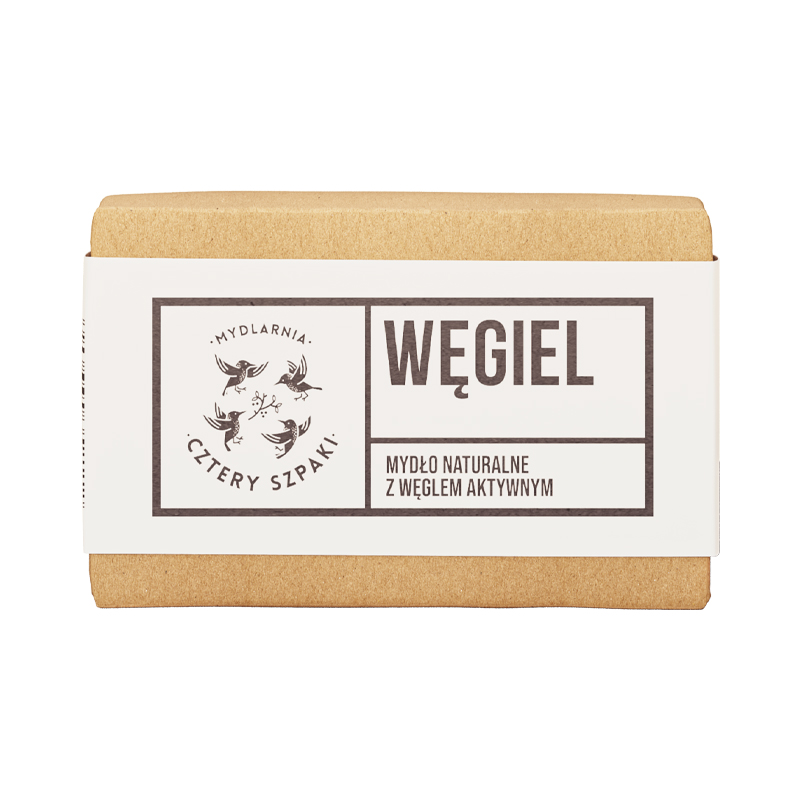

Activated Charcoal Bar Soap, 110g
Charcoal soap is a true remedy for common problems familiar to all those with problematic skin. We're talking blackheads, excessive sebum production, seborrhea, discoloration, enlarged and clogged pores, and other unpleasant symptoms. And above all, acne. By using activated charcoal soap regularly, you'll be treating your skin to an antibacterial and cleansing therapy, which will likely reward you with a radiant appearance and certainly a significant improvement in its condition. You'll eliminate excessive shine (especially in the T-zone), reduce overproduction of sebum, and prevent the formation of new blackheads. Just remember to moisturize your skin well after using the soap, as its many benefits can sometimes be accompanied by a tendency to dry out the skin. However, we think this can be easily prevented with proper care. One of the most important ingredients in our acne soap is activated charcoal. It has powerful cleansing properties, absorbing excess sebum and impurities accumulated on the skin. Used in skincare, it systematically cleanses and reduces sebum production in the sebaceous glands, significantly reducing the number of open comedones (blackheads). After using charcoal soap, I recommend spritzing the skin with a toner or hydrolate to restore the skin's acid-alkaline balance (normal skin pH is slightly acidic and ranges from 4.7 to 5.6). Returning to the main cause of the confusion... Everyone sees acne, as it is. But does everyone know what they're actually looking at and what causes it? Before a fight, it's a good idea to scout your enemy, so here's a quick guide to the different types of acne. Comedonal acne is a mild form of acne characterized by a large number of open and closed comedones, with lesions most often located on the face. Papulopustular acne is the most common form of acne, characterized by comedones and inflammatory lesions, such as papules and pustules containing pus; it primarily affects the face, décolletage, shoulders, and back. Rosacea is a type of acne with a very complex and not fully understood cause. It is characterized by persistent dilation of blood vessels, primarily in the central part of the face, accompanied by acne lesions. Women over 40 are most often at risk. Causes of rosacea include, among others: Genetic predisposition, hormonal disorders (different phases of the cycle and menopause), vasomotor disorders, allergic reactions, digestive system dysfunctions, or having vascular skin. Cosmetic acne – caused by improperly selected beauty products (high-coverage foundations, mattifying powders) and skincare products with a high comedogenic potential; characterized by the appearance of numerous comedones on the face. Occupational acne – related to the profession, most often caused by contact with oils, tars, grease, glues, or chlorine. Neuropathic acne in girls – a mild form of acne caused by constant scratching, touching, and mechanical removal of small or entirely imagined acne lesions; it may be caused by psychological disorders. Infantile acne – papules and pustules with purulent content; It is caused by using greasy skincare products based on mineral or paraffin oil. Most of us receive very positive feedback regarding the effectiveness of our charcoal soap, but please note that due to different skin types and sources of skin problems, we cannot give you a 100% guarantee that it will work in your case.
Comment