


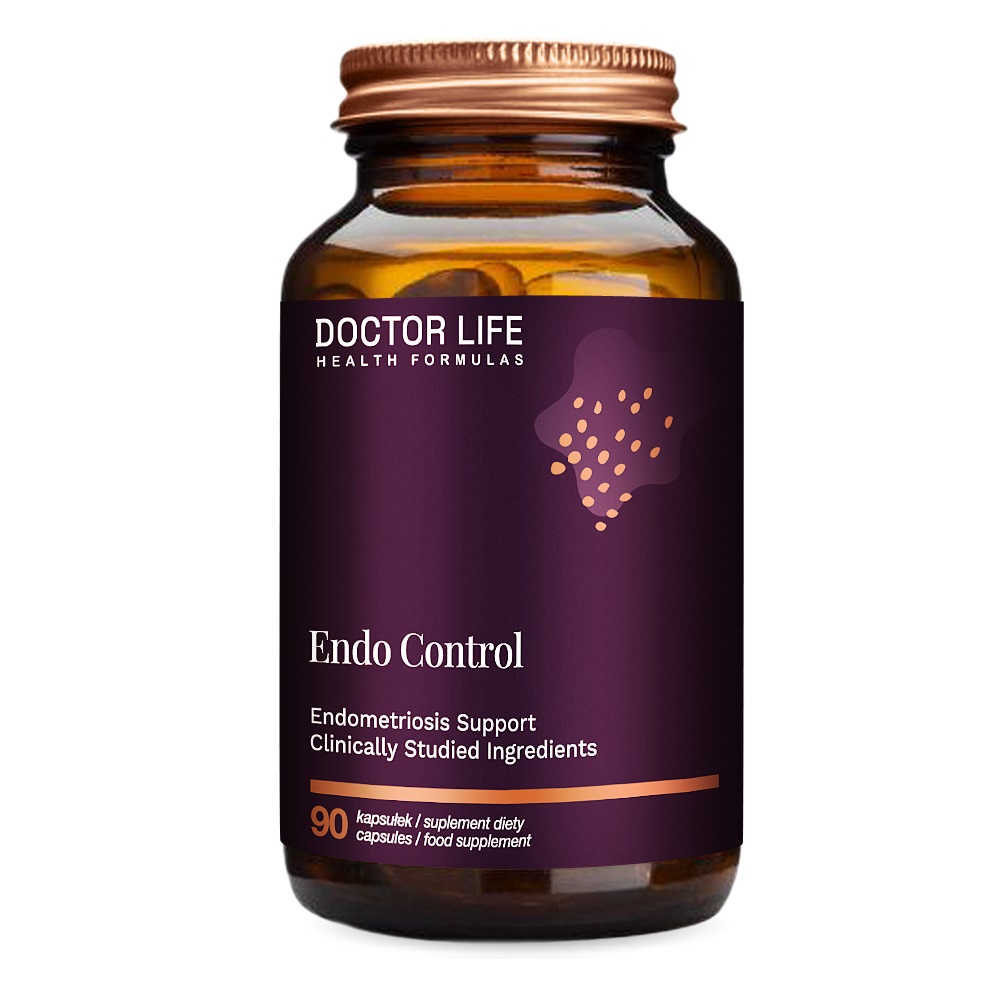

dietary supplement supporting the treatment of endometriosis, 90 capsules/1 pack.
Endo Control 90 capsules
Benefits:● reduction of pain sensation● regulation of estrogen concentration● reduction of oxidative stress● inhibition of endometriotic cell proliferation● regulation of inflammation in the body● reduction of endometriosis symptoms● support for endometriosis treatment
Are there natural ingredients with documented effectiveness in endometriosis?The new Endo Control formula is a multifaceted response to the growing problem of endometriosis, aimed at restoring hormonal balance, a properly functioning immune system, limiting the impact of environmental factors such as ubiquitous estrogens, microplastics, hormones in food, a pro-inflammatory diet, i.e. rich in highly processed products. This product harnesses the power of nature's best ingredients and combines a unique complex of active substances that can positively impact endometriosis symptoms. There are groups of plants that can contribute to improving well-being and regulating the symptoms of endometriosis. Ingredients: Flax seed extract - rich in lignans, or phytoestrogens, which may contribute to lowering estrogen levels, thereby reducing the symptoms of endometriosis. It may contribute to pain reduction and improve other symptoms. Soybean extract - Clinical studies have shown a reduced risk of developing endometriosis after consuming soy isoflavones; a significant correlation has also been observed between higher urinary isoflavone concentrations (genistein and daidzein) and a reduced risk of advanced endometriosis. Olive extract - rich in the active ingredient oleuropein, which inhibits the activity of ER-beta estrogen receptors. A study in mice showed that oleuropein administration inhibited the growth of endometriotic lesions. Furthermore, oleuropein treatment is characterized by negligible toxicity and did not affect the ability to have children. Norway spruce shoots are a source of lignan compounds, which are converted to enterolactone in the gastrointestinal tract. They exhibit strong anti-inflammatory effects. The presence of enterolactone is correlated with increased levels of SHGB (sex hormone binding globulin) in plasma, the increase of which leads to a decrease in free estrogen and testosterone levels in plasma. Epigallocatechin gallate (EGCG) is the main flavanol found in black and white tea, and particularly in green tea. Ex vivo studies have shown that EGCG inhibits cell proliferation and induces cell death in endometrial epithelial cells collected from human biopsies. Turmeric extract - the main oliphenol isolated from turmeric, a spice derived from turmeric root. This compound has strong anti-inflammatory and antioxidant properties, alleviating the symptoms of inflammation that accompany endometriosis. Curcumin reduces endometrial cell proliferation by reducing estrogen levels. Resveratrol - may support the treatment of endometriosis because it has anti-inflammatory potential and also inhibits the synthesis of prostaglandins. Ginger - inhibits the synthesis of prostagaldins, i.e., pro-inflammatory hormones, and regulates menstrual pain. Kudzu root extract (Pueraria lobata) - rich in Pueraryne, which is widely considered a phytoestrogen because it binds to estrogen receptors and competes with westradiol, demonstrating antiestrogenic effects. Puerarin may inhibit estrogen-stimulated proliferation of endometriotic stromal cells. Broccoli extract - contains DIM, or 3,3-diinodylmethane, which is a product of the metabolism of inodyl-3-carbinol isothiocyanate. It improves estrogen metabolism and has anti-inflammatory effects. Sophora japonica extract - the active ingredient is quercetin, which may also significantly reduce the size of endometrial implants and inhibit endometriosis cell proliferation. NAC, also known as N-acetylcysteine, is a derivative of the amino acid L-cysteine and a precursor to the very powerful antioxidant glutathione. It exhibits anti-inflammatory and antiproliferative effects. Scientists have proven that a 3-month treatment with NAC (600 mg three times a day, 3 days a week) reduces the number of cysts and limits their growth rate. NAC also supports fertility. Vitamin D – Studies have shown that vitamin D supplementation in young women with endometriosis can reduce pain by inhibiting the production of prostaglandins. Fenugreek extract – rich in anti-inflammatory flavonoids, isoflavones, and alkaloids such as trigonelline, which activates the estrogen receptor (ER). Recommended daily dose: Women - 3 capsules daily with food. Notes: A diet rich in isoflavones (containing legumes, including soy) does not require supplementation; In women with cancer, use only after consulting a doctor. Do not consume a daily amount equal to or greater than 800mg of (-) epigallocatechin-3-gallate (EGCG). Do not consume if you consume other products containing green tea on the same day. This product should not be consumed by pregnant or breastfeeding women or children under 18 years of age. Do not consume on an empty stomach.
Comment